Bedroom furniture centers on providing restful environments, where design, support, and material quality converge to support healthy sleep. In this category, the focus is on essential components like beds, headboards, and frame constructions that influence posture, alignment, and overall comfort. Understanding bed styles helps identify how frame height, upholstery, and footboard presence affect sleep space planning and room aesthetics. Keywords include bedding, comforters, down comforters, pillows, and down pillows to reflect material considerations in this space.
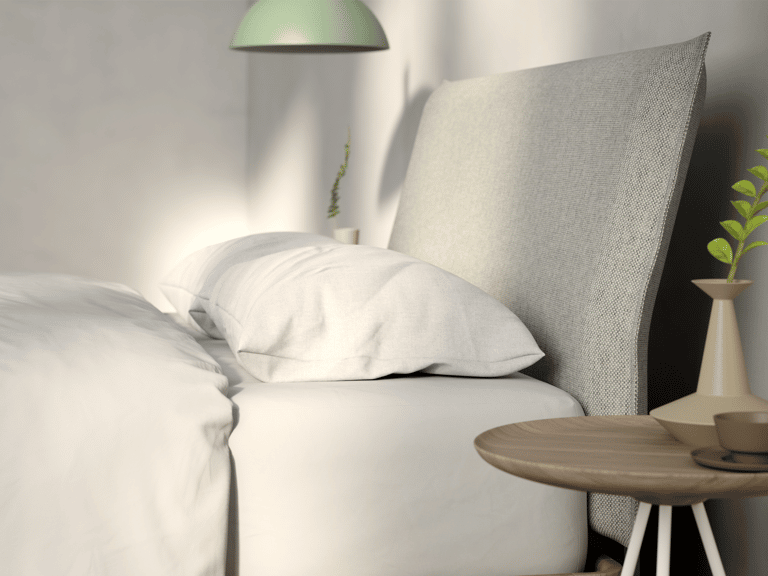
Exploring upholstered bed frames reveals how milling, padding, and upholstery fabrics contribute to tactile warmth and acoustic quiet in sleeping areas. In particular, frame construction, leg design, and corner joinery impact durability and stability, while fabric choices influence room ambiance and ease of cleaning. This information supports informed decisions about long-term use and maintenance in bedroom environments.
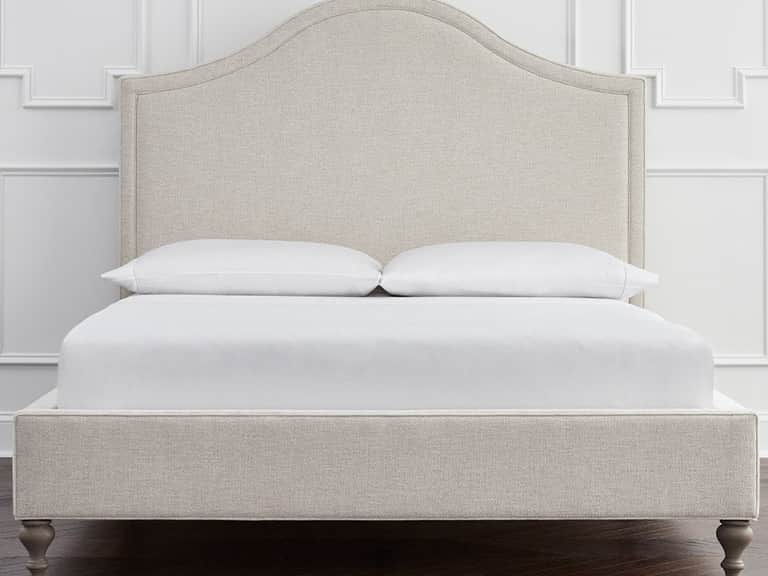
The Charlotte Upholstered Bed exemplifies a balance of clean lines and supportive support systems, offering a versatile base for various mattress types. Its design emphasizes evenly distributed weight, secure headboard attachment, and compatible footboard options, which together support ergonomic alignment and easier sheet changes without compromising aesthetics.
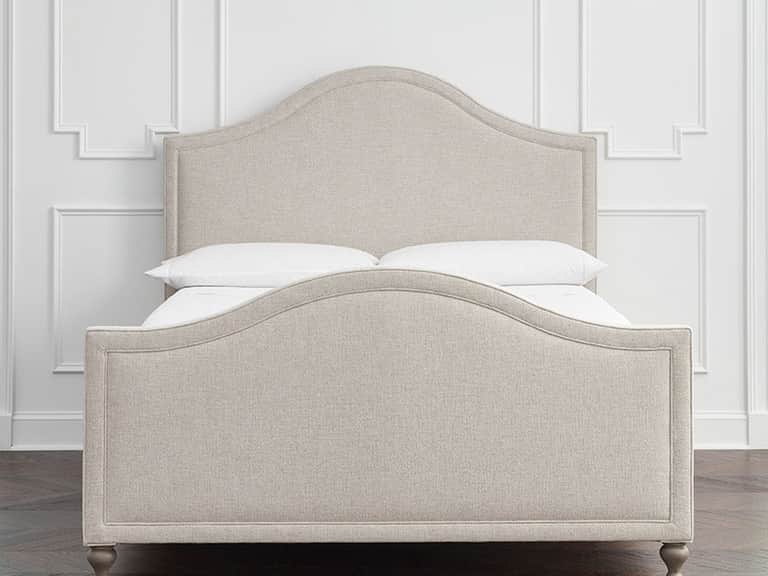
The Carolina Upholstered Bed with Footboard highlights coordinated dimensions and a mid-range silhouette suitable for both compact and spacious bedrooms. Featuring a footboard for visual grounding and additional surface definition, this model enhances space perception while providing stable load-bearing points that contribute to overall bed integrity and sleep comfort.
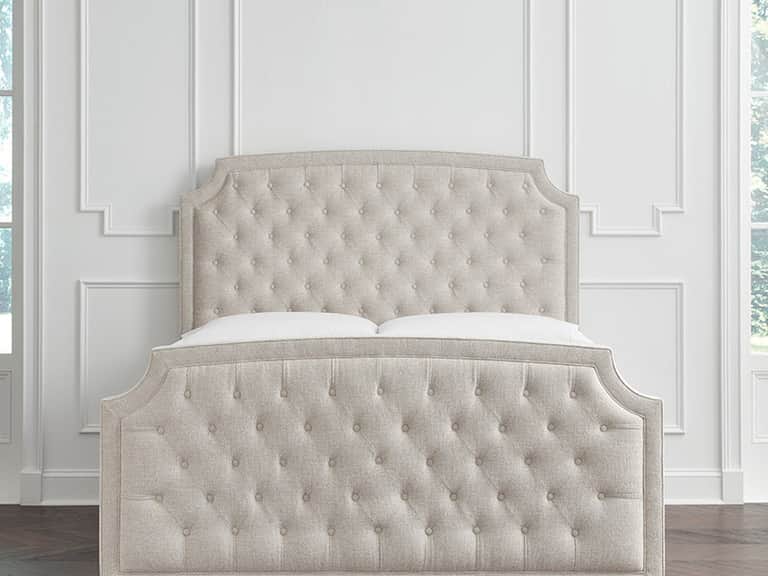
The Charlotte Upholstered Bed with Footboard combines the softness of upholstered panels with the structural benefits of a footboard, delivering a cohesive look and practical support. This configuration supports bed frame stability, easier bedmaking, and harmonious integration with bedding ensembles such as pillows, down pillows, and comforters for a complete sleep-ready environment.
 Furniture