Introduction: The Anatomy of a Good Night’s Sleep
Across bedrooms, the quest for sleep quality often boils down to the comfort and support provided by bedding. The feathered and downy components have a long history in bedding, celebrated for their unique loft, softness, and breathability. In recent years, blends and synthetic fills have broadened the palette, offering durable alternatives that cater to sensitive sleepers, eco-conscious households, and travelers who need reliable temperature regulation. This article explores how different fillings—from classic goose down to feather-and-down blends and modern alternatives—affect loft, warmth, weight, and longevity. We’ll also spotlight practical care strategies to preserve loft and comfort over time, and we’ll present a few product exemplars to illustrate real-world performance.
Fillings Overview: What Each Choice Feels Like
The loft, warmth, and texture of bedding are largely dictated by fill type. In the feather vs. down debate, a few core distinctions matter:
- Goose down: Renowned for lightness and exceptional loft. Down clusters trap air, creating a cloud-like warmth with minimal weight. Higher fill power typically means more warmth with less weight.
- Feathers: Generally heavier and denser than down. Feathers provide structure and resilience, helping a duvet or pillow maintain shape. They can feel crisp and slightly firmer than pure down.
- Blends (feathers + down): Combine the depth and structure of feathers with the fluffiness of down. Depending on the ratio, blends can offer balanced loft, weight, and warmth.
- Down alternatives: Synthetic or natural non-down fills designed to mimic warmth and loft while offering hypoallergenic properties and often easier care. They can be cooler or warmer depending on the fill and shell construction, and some are engineered for temperature regulation.
Fill Power, Loft, and Warmth: Reading the Labels
Fill power is a measure of how much space a given amount of down occupies. In general, higher fill power equates to greater loft and insulation with lighter weight. Duvet inserts labeled as 700-fill-power or higher tend to feel fluffier and warmer without added bulk. Feather-filled options, conversely, may deliver more structured loft but with a different warmth profile. Blends offer a middle ground, while down alternatives are evaluated on warmth-to-weight ratios and breathability. When selecting fillings, consider your climate, bedding layering, and personal preferences for pressure distribution and neck support.
Climate, Sleep Style, and Loaf: Matching Fill to You
People who sleep hot may favor lighter fillings with excellent breathability and moisture-wicking properties. Those in cooler environments or who feel cold at night might opt for warmer, loftier fills or higher overall warmth from the duvet insert. Sleep posture matters too: side sleepers often benefit from generous loft around the shoulders, while back sleepers may require steadier neck and spine alignment. The right fill works in concert with the shell fabric (cotton, TENCEL, linen) and the duvet cover to optimize airflow and temperature regulation.
Care and Longevity: Maintaining Loft Over Time
Loft longevity depends on proper care. Down and feather items perform best when allowed to “bloom” after washing, with gentle cycles and thorough drying to restore loft. Corner loops on duvet inserts help secure them inside duvet covers, preventing shifting that can lead to cold spots. Some brands recommend professional care for wool-filled or delicate materials, while others provide guidance for machine washing cool water and gentle cycles. Regular sunning and airing—without direct sun exposure for prolonged periods—can revitalize natural fillings and extend lifespan.
Three Key Voices Across Time
Great bedding guidance has always benefitted from insights across eras. Here are three influential figures whose ideas shimmer in the history of rest and textile craft:
- Marie-Josèphe Roget (18th century) — A designer who championed feather-based bedding in French provincial interiors, elevating the feather bed as a symbol of refined comfort and domestic science. Her writings on intimate textiles helped popularize soft textiles for sleep environments in salons and bedchambers.
- Thomas Wedgwood (18th–19th century) — A pioneer of early textile exploration, Wedgwood’s contemporaries advanced the science of fiber structure and filling methods, laying groundwork for later down and feather processing techniques. His era framed the shift from heavy, wool-based sleep surfaces to feather and down innovations.
- Alice Waters (late 20th to early 21st century) — A modern voice in sustainable textiles who popularized conscious choices in bedding—organic fabrics, responsible sourcing, and a focus on comfort with environmental responsibility. Waters’ emphasis on breathable, natural materials informs today’s eco-friendly feather and down options.
Brand Perspectives: Materials, Comfort, and Care
To illustrate how the market translates these ideas into products, we examine a few representative items from trusted brands. The following selections demonstrate how loft, warmth, and care practices differ across fillings and shell fabrics. The article notes a product and uses it to illustrate real-world performance. Images accompany these choices for visual reference.
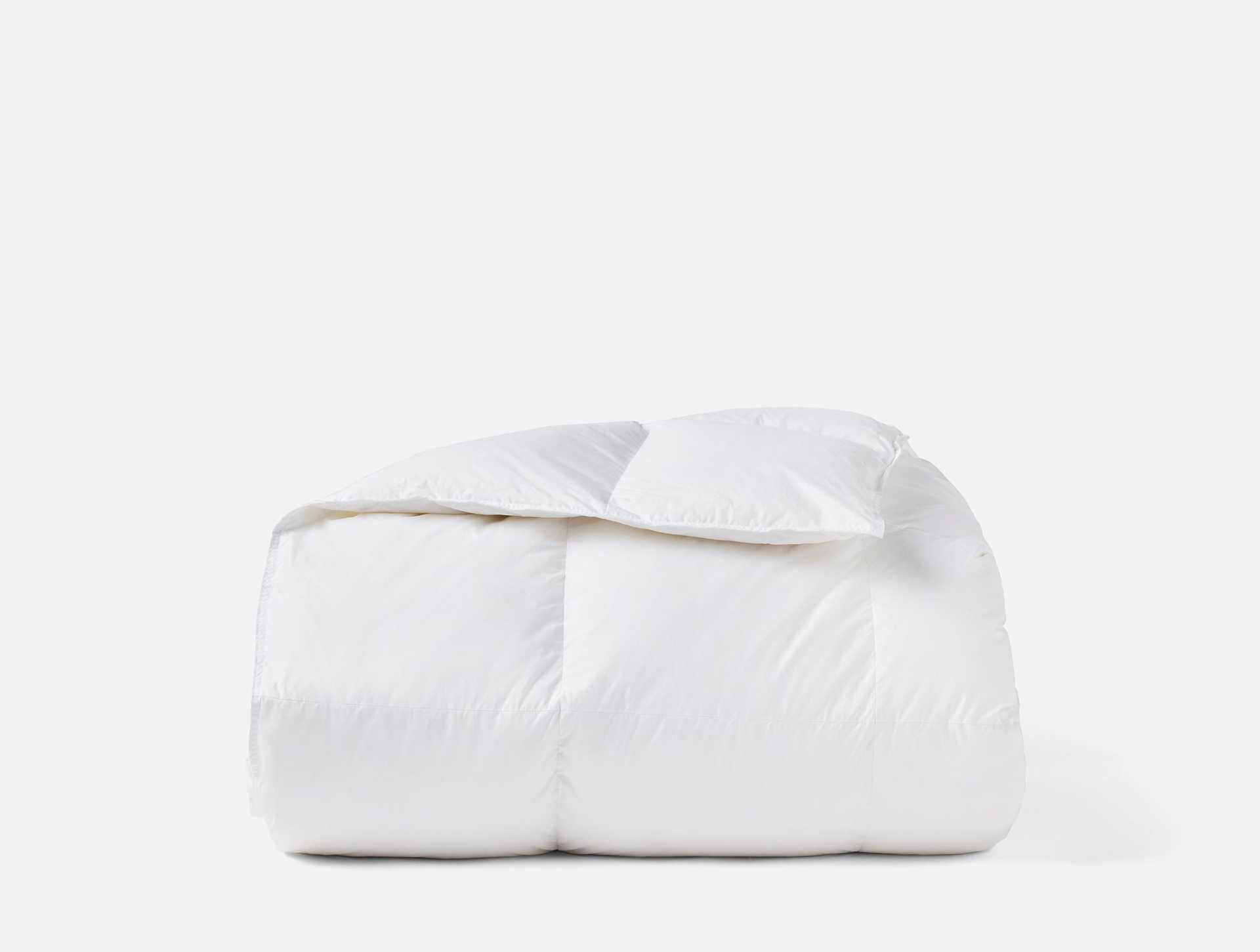
Goose Down Duvet Insert (Coyuchi)
A duvet insert filled with 90% goose down and 10% goose feather, encased in a 100% organic cotton shell. The 11-inch stitch-through design ensures even loft and minimizes cold spots. Corner loops help secure the insert inside a duvet cover, preserving uniform warmth.
Fill Power: 800
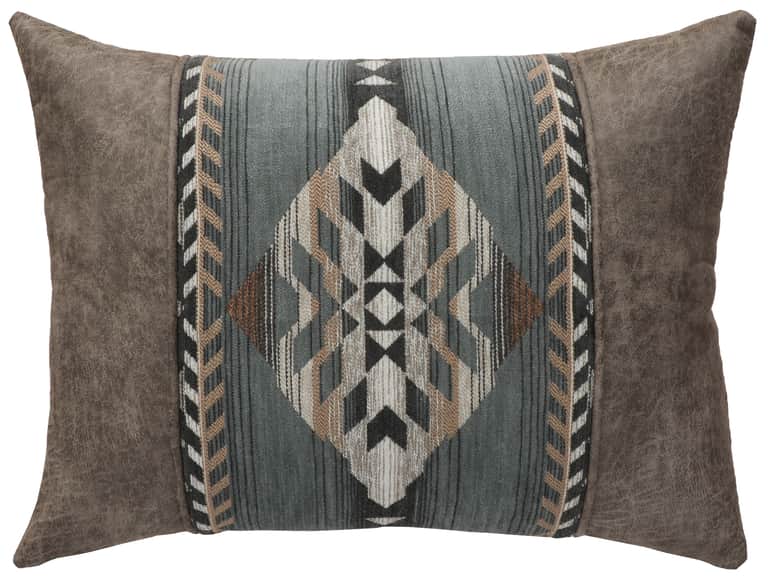
Spearhead Dusk Pillow Sham (Wooded River)
While not a filling itself, this pillow sham illustrates how finishing details—plush texture and western fringe accents—can complement a feather-down ecosystem, enhancing visual texture and overall sleep ambience.

Goose Down Duvet Insert (Coyuchi) – Alternative View
The goose down duvet insert stands as a benchmark for warmth-to-weight ratio, with natural breathability and a premium feel. The product emphasizes ethical sourcing and organic materials, aligning with eco-conscious design sensibilities.
Natural Wool and Linen Sheets (Naturepedic) – A Complement
Organic linen sheets and wool ensembles reinforce a breathable, temperature-regulating sleep environment, working in harmony with feather and down fillings to maintain comfortable loft and layering integrity.
Conclusion: Making a Deliberate Choice for Your Sleep Style
Choosing feather fillings—whether down, feathers, blends, or down alternatives—depends on your climate, sleep position, warmth preferences, and care philosophy. The feather bed remains a timeless symbol of comfort and refinement, while modern blends and down alternatives broaden accessibility to allergy-aware and eco-conscious sleepers. By aligning fill choices with your sleep style, you can optimize loft, temperature regulation, and longevity of your bedding. The FeatherBeds.org approach—one that emphasizes education, durability, and trustworthy information—helps you navigate the market with clarity and confidence.
Further Reading and Calls to Action
For readers seeking deeper dives, consider beginner guides to feather beds versus other bedding types, material breakdowns (feathers, down, synthetic fillings, and their pros/cons), and care tutorials focused on feather bedding longevity. A glossary of terms related to sleep and bedding will help demystify industry jargon as you compare products from brands like Naturepedic, Coyuchi, Sleep and Beyond, and Downright.
Would you like a sample site map or a starter list of 6–12 article ideas to propel your FeatherBeds.org content plan? We can outline a robust content calendar with topical series, expert Q&As, and downloadable checklists for readers aiming to optimize their sleep environment.