Bedding & Sleep
How Wool Comforters Balance Warmth and Breathability
A comforter should feel reassuring, not stifling. Wool’s distinctive mix of insulation and moisture management can help create that middle ground—but the result depends on fill weight, construction, bedroom conditions, and the sleeper beneath it.
There is a particular frustration to waking in the night too warm, pushing the covers away, then reaching for them again minutes later. Bedding cannot control every factor that affects sleep, but it does shape the small climate around the body. The fiber inside a comforter matters because it influences how that layer holds warmth, handles moisture, and settles across the bed.
Wool has long been valued for insulation, yet a wool comforter is not simply a heavy winter blanket. Wool fibers can trap air while absorbing moisture vapor, qualities that may help a sleeper feel warm without the same clammy sensation that can accompany heat and perspiration. That combination makes wool a compelling option for people exploring breathable bedding and year-round comfort.
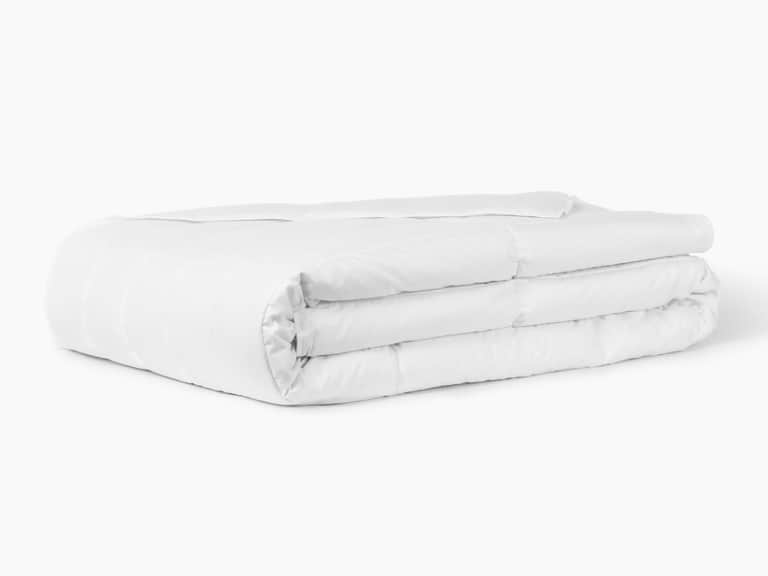
It is not a universal fix. A comforter’s feel depends on its amount of fill, the quilting or other construction, the cover fabric, the duvet cover placed over it, and the room itself. Sleep and Beyond wool comforters, including the brand’s myComforter range, illustrate how wool fill and cotton shells are used in bedding designed for temperature management. Understanding the material—and the care it needs—helps set realistic expectations before choosing a layer for the bed.
Why wool can feel warm without feeling sealed in
Wool fibers have a naturally complex structure. Their crimped form can create small spaces that hold still air, and still air is useful insulation. In practical terms, a wool comforter can slow the loss of body heat, helping the bed feel comfortably warm when the surrounding room is cool.
At the same time, wool can absorb moisture vapor into the fiber. This is different from making a comforter waterproof or making a sleeper immune to sweating: moisture still has to move away from the body and eventually evaporate. But the fiber’s ability to take up some vapor may contribute to a less damp-feeling sleep environment, particularly when the comforter and its cover allow airflow.
That distinction matters. “Breathable” is often used as a blanket claim, but it does not mean a material automatically keeps everyone cool. Breathability describes how readily air or water vapor can pass through a fabric or bedding layer. A tightly woven cover, a heavy duvet cover, a warm room, or multiple thick layers can affect the overall experience, even when the filling itself manages moisture well.
Nor does wool actively regulate body temperature in the way a thermostat does. It is more accurate to say that wool’s insulating and moisture-handling properties may help moderate the feel of the bedding. Individual results vary with personal sleep temperature, clothing, humidity, room ventilation, and the comforter’s weight.
Fill weight: the first clue to warmth
When comparing wool comforters, begin with fill weight or fill density, if the maker provides it. The amount of wool in a comforter influences its insulation and drape. A lighter version may suit warmer rooms, people who tend to sleep hot, or seasons when a thick layer feels excessive. A heavier version can provide more substantial coverage in a cool bedroom or during colder months.
Sleep and Beyond describes its myComforter as containing washable wool, with a stated fill amount of 13 ounces per square yard, while its lighter myMerino option is described as using 6 ounces per square yard. Those figures help illustrate why comforters made from the same broad material can feel quite different. They are not a guarantee of a particular sleep temperature: dimensions, construction, shell fabric, room conditions, and personal preference all matter.
“All-season” is similarly a starting point rather than a promise. In a well-insulated home, one sleeper may find an all-season comforter comfortable most of the year. Someone in a drafty room, a humid climate, or a household with changing heating habits may prefer a lighter option or adjust layers more often. If you share a bed, differences in preferred warmth can make separate blankets or a flexible layering arrangement more practical than searching for one perfect comforter.
- For a warmer room: consider a lighter fill and a breathable cover, and avoid adding layers by default.
- For a cool room: a higher fill weight may offer more insulation, though room drafts and bedding fit still affect comfort.
- For changing seasons: a duvet cover and removable layers can make it easier to adjust the bed without replacing the comforter.
- For shared beds: consider whether each sleeper can regulate their own layers independently.
Construction shapes the feel, too
The wool inside a comforter is only part of the story. Its construction affects how evenly warmth is distributed and how the comforter moves. Quilting, stitching, or tufting can help keep batting in place. If fill shifts, some areas may feel thinner while others feel bulkier, creating uneven coverage. The maker’s construction details can therefore be as useful as the material name.
A comforter’s shell also influences how it feels against the body and how air moves through the bedding. Cotton is a common choice: percale tends to feel crisp and matte, while sateen generally has a smoother, softer surface. The weave and weight can alter the overall impression, so a breathable filling does not necessarily make every complete bedding arrangement feel airy.
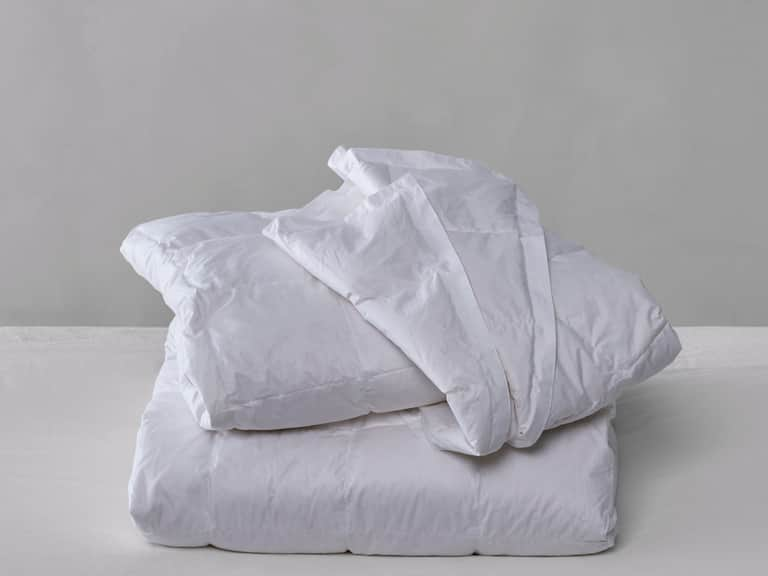
Duvet covers add another layer between the sleeper and the comforter. A light, breathable cover may preserve more of the wool comforter’s airy feel; a heavier or tightly woven cover can make the bed warmer. Corner ties or loops can keep an insert from sliding around inside the cover, reducing bunching and helping it lie evenly. These small practical details can matter after months of nightly use.
Wool batting may settle with use, and manufacturers may describe this as normal. Check the product’s information for guidance on expected changes in loft, how to redistribute the fill, and whether the comforter is designed to be shaken, aired, or handled in a particular way. “Natural” does not mean maintenance-free; it means the care routine should be matched to the material and construction.
How to choose a wool comforter for your sleep habits
Start with the conditions you actually sleep in, rather than an idealized picture of a bedroom. Note whether the room runs warm or cool at night, whether you wake feeling overheated, and how many layers you currently use. A simple week of observations can be more useful than choosing by season labels alone.
Next, compare the details that describe performance rather than relying only on broad terms such as “luxury,” “natural,” or “temperature regulating.” Look for fill weight, comforter dimensions, shell composition, construction method, and clear care instructions. If a listing uses an unfamiliar term, check whether it refers to the wool itself, the fabric around it, or a certification and what that certification covers.
Sleep and Beyond’s wool bedding is one example of the category: the brand describes its myComforter as a wool-filled comforter with a cotton sateen shell, and its lighter myMerino comforter as an option intended for warmer seasons. Such descriptions can help orient a comparison, but personal comfort is not guaranteed by brand or fiber alone. Evaluate the stated specifications alongside your own preferences and the return or warranty terms available from the retailer.
Allergies and sensitivities call for particular care. “Hypoallergenic” is not a universal medical guarantee, and wool is not suitable for everyone. People with known sensitivities should review the full materials list and seek appropriate professional advice when needed. A removable, washable cover can help keep the sleep surface fresh, but it does not change the comforter’s underlying materials.
A practical care routine that protects performance
For many wool comforters, prevention is simpler than frequent washing. A duvet cover shields the comforter from skin oils, dust, spills, and everyday handling. Washing the cover regularly—according to its label—can keep the bed fresh while reducing the need to clean the larger, more delicate insert. A cover also makes it easier to change the look or seasonal feel of the bed without replacing the comforter.
Before washing any wool-filled comforter, read the care label and the maker’s instructions. Wool can be sensitive to agitation, high heat, and unsuitable detergents. Some comforters are spot-clean only; others may be washable under limited conditions. A product described as washable should not be assumed to tolerate every home washing machine or drying method. The exact shell, fill, stitching, and size all affect what is safe.
Sleep and Beyond’s care guidance for its wool bedding emphasizes protecting the comforter with a duvet cover and avoiding unnecessary washing. For its myComforter, the brand advises regular airing and sunning, spot-cleaning the cotton cover with a soft brush and mild detergent, and allowing it to dry completely. It also gives specific washing guidance for the comforter and recommends particular handling. Because instructions can vary by model, confirm the directions for the exact item you own rather than applying one product’s care routine to another.
When cleaning is necessary, these habits can help reduce avoidable wear:
- Use a duvet cover and remove it for laundering as directed by its care label.
- Blot spills promptly instead of rubbing them deeper into the fabric or fill.
- Follow the manufacturer’s instructions for water temperature, detergent, agitation, and drying.
- Make sure the comforter is thoroughly dry before covering or storing it; lingering moisture can lead to unpleasant odors or other problems.
- Avoid bleach, fabric softener, or high heat unless the care instructions explicitly permit them.
- Store the comforter clean and completely dry in a breathable space, rather than compressing it for long periods in a damp area.
Airing, storage, and the question of longevity
Fresh air can help bedding feel refreshed between washes, but airing is not a replacement for cleaning when the comforter is soiled. If the maker recommends airing, choose a dry, well-ventilated place and follow any instructions about sun exposure. Prolonged direct sunlight can affect some fabrics, so more is not always better. The purpose is a sensible refresh, not an attempt to sterilize the bedding.
When the seasons change, clean the comforter as directed and allow it to dry fully before storage. Avoid sealing a damp item in plastic or leaving it pressed beneath heavy objects for an extended period. A breathable storage bag or linen closet can help protect it from dust while giving the fill room to recover. Check the care label for specific storage advice, especially if the comforter has a delicate shell or construction.
These habits are modest, but they make a difference to the life of a textile. A comforter protected by a cover generally faces fewer direct spills and less frequent washing. That can reduce the mechanical stress of laundering and help preserve the fabric and fill. Longevity still depends on the product’s materials, workmanship, household use, and care; no routine can make a comforter last indefinitely.
Wool compared with other comforter fills
Wool is one option among several, not a benchmark every sleeper should pursue. Down is prized for light loft and insulation, while feather blends can feel more structured or substantial. Synthetic fills vary widely, and some are designed to offer a lighter-care alternative. The right comparison is not “natural versus synthetic” in the abstract; it is how the complete comforter performs for your warmth preference, care needs, budget, and material priorities.
For example, the site’s Lightweight Down Alt Duvet uses recycled polyester fill with a TENCEL Lyocell shell and a sewn-in chamber design. It is a different material approach from wool, but it can be relevant to readers comparing lightweight bedding options. The construction includes loops intended to help keep the duvet aligned inside a cover. Its specifications should be weighed on their own terms rather than treated as evidence that one fill is universally cooler or better.
For a wool comforter, focus on the questions that influence nightly use: Does the fill weight match the room and sleeper? Is the cover fabric comfortable? Is the construction designed to keep the fill evenly distributed? Can you follow the care routine in your household? Those answers are more revealing than a single headline claim about year-round performance.
What a comforter can—and cannot—do for sleep
Comfortable bedding can support a more settled night by reducing distractions such as an awkward, heavy, or clammy-feeling layer. It cannot diagnose or treat insomnia, persistent night sweats, or other health concerns. Sleep is influenced by many factors, including schedule, stress, health, medications, room conditions, and habits. A material change may address one source of discomfort, but it should not be mistaken for a complete solution to a medical problem.
If overheating is frequent or has appeared suddenly, consider factors beyond bedding: room temperature, pajamas, heating, ventilation, and changes in health or medication. For persistent or concerning symptoms, consult a qualified health professional. The aim of bedding education is to make informed, practical choices—not to promise a cure.
The bottom line
Wool comforters balance warmth and breathability through a useful combination: fibers that can trap insulating air while absorbing some moisture vapor. The effect may help create a comfortable bedding climate, but no fiber overrides the basics of fill weight, construction, shell fabric, room conditions, and personal preference.
When comparing Sleep and Beyond wool comforters or other options, read the specifications closely. Match the weight to your room and sleep temperature, check how the filling is held in place, and understand the care instructions before purchase. A duvet cover, careful spot-cleaning, appropriate airing, and complete drying can help protect a comforter and reduce the need for frequent laundering.
The best bedding is rarely the one with the most dramatic promise. It is the layer that fits your nights: warm enough to settle under, breathable enough to feel comfortable, and manageable enough to care for over time.