Introduction: The Bedding–Sleep Connection
The body rests within a carefully curated environment each night. Bedding is not mere decoration; it functions as a dynamic interface between physiology and comfort. The materials, fills, and fabrics that envelope us interact with thermoregulation, moisture management, and sensory perception. In the field of sleep science, researchers increasingly recognize that bedding choices can meaningfully influence sleep onset, continuity, and perceived restorative quality.
Featherbeds, down comforters, duvet covers, and pillows—these elements work in concert with your mattress to shape the final nightly experience. The goal is not to pursue luxury for luxury’s sake, but to harmonize warmth, breathability, and support so that the body slides into deep, uninterrupted rest. The selections discussed here draw insights from sleep-health conversations and the practical realities of everyday life.
Temperature, Comfort, and the Sleep Cycle
Our biology follows a circadian rhythm that is highly sensitive to temperature. A cooler sleep environment can facilitate the onset of sleep, while excessive warmth can disrupt the cooling phase that signals the body to sleep more deeply. Bedding plays a central role in this thermal choreography. Lightweight duvet fills paired with breathable shell fabrics can promote air exchange, while heavier insulations are advantageous in cooler climates. The key lies in seasonal calibration: layering your bedding to adapt through the year mirrors nature’s own adjustments.
The same logic applies to moisture management. Natural fibers like cotton, linen, and certain wools wick moisture more efficiently than synthetics, contributing to a drier, more comfortable sleep surface. For sensitive sleepers, the breathable fabrics and hypoallergenic properties of certain duvet covers and pillow shells can reduce irritants and micro-movements that wake you during the night.
Practical Steps to Optimize Your Bedding
- Choose duvet weights that align with your climate and season. A mid-weight down comforter can be ideal for year-round use in many temperate regions, with lighter or heavier options available as needed.
- Match pillow firmness to your sleeping posture. Side sleepers often benefit from firmer support, while back sleepers might prefer a medium to medium-soft feel to maintain spinal alignment.
- Prioritize breathable pillowcases and duvet covers. Natural fibers like cotton, linen, and Tencel lyocell can improve air flow and moisture management.
- Layer bedding for easy seasonal adjustment. A lightweight quilt or wool-blend blanket can be added or removed to fine-tune warmth without overhauling your core setup.
- Ask informed questions when evaluating bedding recommendations. Inquire about fill power, ventilation, and ethical sourcing to align choices with health and values.
A careful combination of materials—goose down, feather-down blends, organic cotton, and breathable shells—can yield a sleep environment that remains comfortable across seasons. The product variety available today includes pillows designed for firmness customization, duvet inserts with eco-conscious fills, and duvet covers crafted from organic fibers. The goal is resilient comfort that endures through years of nightly use.
Voices from Different Time Periods: Three Key Individuals Shaping Sleep Wisdom
Across history, thinkers and practitioners have explored sleep comfort from different angles. Here are three figures who illuminate the enduring relationship between rest, health, and the spaces we inhabit.
Hypnos of Classical Antiquity (Ancient Greece and Rome)
In myth and ritual, Hypnos is the personification of sleep, guiding mortals into rest. Though not a technologist by modern standards, the ancients recognized that the sleep environment—quiet spaces, comfortable bedding, and predictable routines—proved essential for vitality. The lore around Hypnos invites reflection on how cultural practices shape our comfort choices: the arrangement of the sleeping chamber, the softening of the room with textiles, and the sense of sanctuary that a well-made bed inspires.
Marie Curie (Late 19th to Early 20th Century)
Marie Curie’s pioneering work in radioactivity demanded a disciplined approach to care, rest, and well-being in the pursuit of science. Though her field was physics and chemistry, her legacy extends to a broader ethos: robust health supports rigorous inquiry. In the context of sleep wellness, Curie’s example underscores the importance of a stable, secure sleep environment that preserves energy for demanding work. Her era’s emphasis on scientific inquiry laid groundwork for later sleep research that values evidence-based bedding choices—temperature regulation, material safety, and durability.
Jane Goodall (Late 20th to 21st Century)
Jane Goodall’s devotion to observation, empathy, and long-term stewardship echoes in the modern bedding landscape through a focus on sustainable materials and ethical sourcing. The Sleep Wellness movement favors products that honor humane practices and environmental responsibility. The interplay between comfort and ethics resonates with Goodall’s emphasis on living in harmony with the world around us—even within the quiet margins of a bedroom where rest begins.
A Practical Product Highlight: The Downright Mackenza Pillow
The Downright Mackenza Feather and White Down Blend Sleeping Pillow stands out as a versatile option for readers seeking customizable firmness. This pillow, available in Soft, Medium, or Firm, blends 75% feathers with 25% down, providing a supportive yet cloud-like feel. Its 233-thread-count cotton cambric cover is smooth against the skin, and the pillow maintains its loft with a careful balance between weight and warmth. This makes it a fitting example of how a single pillow can influence neck alignment, head support, and overall sleep calm.
Downright Mackenza Pillow — Soft
3 weights available; Soft provides a gentle cradle for lighter sleepers or those who prefer a plush feel.
Fill: 56% feather, 44% down blend weight varies by size
Downright Mackenza Pillow — Firm
Firm option offers enhanced neck support for back and side sleepers who crave structured alignment.
Weight: Higher fill in standard and king sizes
For readers who value eco-conscious design, the Mackenza line demonstrates how premium materials can be responsibly sourced while delivering measurable comfort. The pillow’s construction and the transparency around its composition align with a broader movement toward informed consumer choices in sleep wellness.
A Complementary Highlight: Naturepedic Organic Linen Duvet Cover Sets
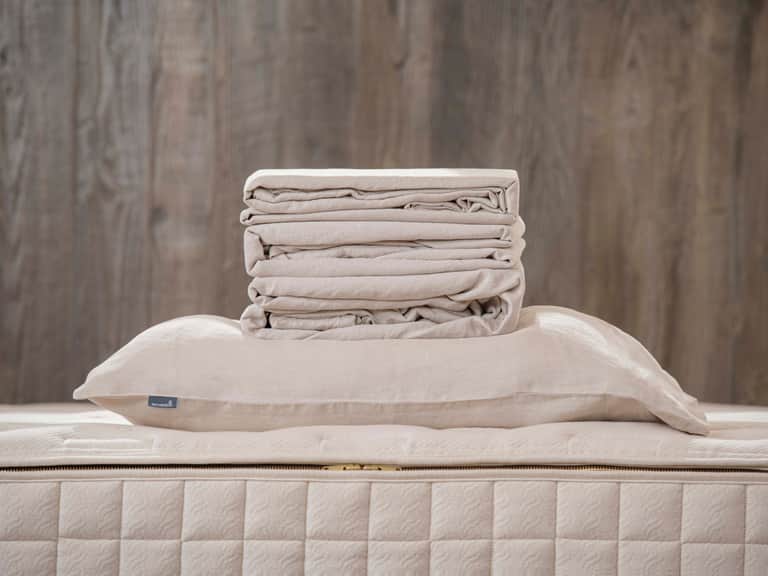
Naturepedic’s Organic Linen Duvet Cover Sets embody the fusion of luxury with ethical materials. Linen’s hollow fibers promote airflow and moisture management, making them ideal for warm conditions or sensitive skin. This linen lineup, grown from renewable flax and GOTS-certified, emphasizes durability and comfort that improves with washes. The earth-toned palette suits a wide range of bedroom aesthetics and aligns with environmentally conscious design philosophies.
Naturepedic Organic Linen Duvet Cover Sets
Sizing options include Full/Queen and King/Cal King. Complete with pillow shams and corner ties to secure the comforter, these covers are designed for longevity and ease of care.
Care and Comfort
Care involves machine washing on warm and tumble drying at a low temperature. Linen’s natural texture softens with each wash, while the GOTS-certified organic flax ensures sustainable production practices.
Conclusion: Building a Sleep-Wellness System
A well-considered bedding ensemble can be a daily asset for mental clarity, energy, and vitality. The modern sleep ecosystem blends ergonomic supports with breathable fabrics and responsibly sourced materials. By recognizing how a duvet fill, pillow choice, and linen cover interact with your body’s needs, you can curate a sleep sanctuary that supports restorative rest and a resilient daily cadence.
The interplay between science and sensibility is at the heart of sleep wellness. As researchers continue to expand our understanding of how bedding influences sleep, consumers benefit from practical guidance rooted in comfort, safety, and sustainability. Your bedroom can become more than a place to sleep—it can be a daily practice of self-care that refuels the mind, body, and spirit.