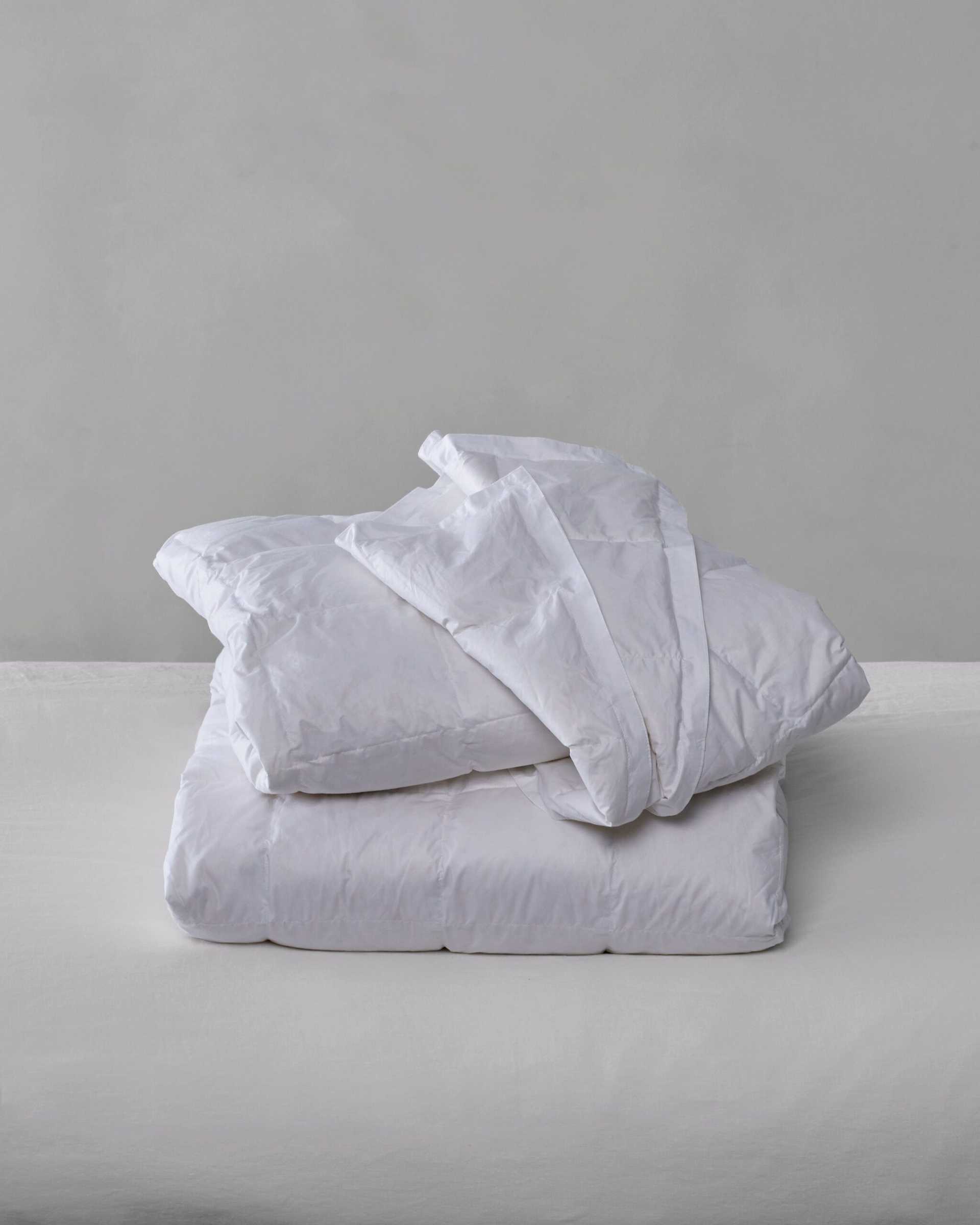
Duvets are a fundamental bedding component designed to provide lightweight warmth and insulation, often contrasting with heavier comforters or blankets. They come in varied fillings and tog ratings to match seasonal needs and personal preferences. Understanding duvet construction helps readers select appropriate warmth levels, fill types, and shell fabrics for long-term comfort and durability.
Key features to consider include filling material, cover fabric, care requirements, and thermal performance. Common duvet fillings range from down and feather blends to synthetic alternatives, each offering distinct loft, warmth, and moisture management. A breathable shell fabric reduces heat buildup while maintaining softness and surface integrity for daily use.
In the context of featherbeds.org, duvet filling light options highlight the balance between warmth and weight. Lightweight duvets typically use low tog ratings and airy fillings to provide comfortable warmth without bulk. They are particularly suitable for temperate climates or layered bedding systems that allow flexible adjustments throughout the night.
Functional benefits of duvet filling light products include enhanced loft retention, easy maintenance, and hypoallergenic possibilities. Regular care, such as gentle washing guidelines and proper drying, helps preserve insulation properties and fiber resilience. Understanding care needs supports longevity and preserves the practical benefits of lighter duvets in diverse sleeping environments.
When evaluating duvets, users should consider compatibility with other bedding such as sheets, pillows, and beds, to ensure cohesive comfort. Integrating knowledge about filling light options with pillow and comforter choices improves overall sleep quality and climate control, aligning with broader bedding concepts like adjustable beds and breathable fabric technologies.
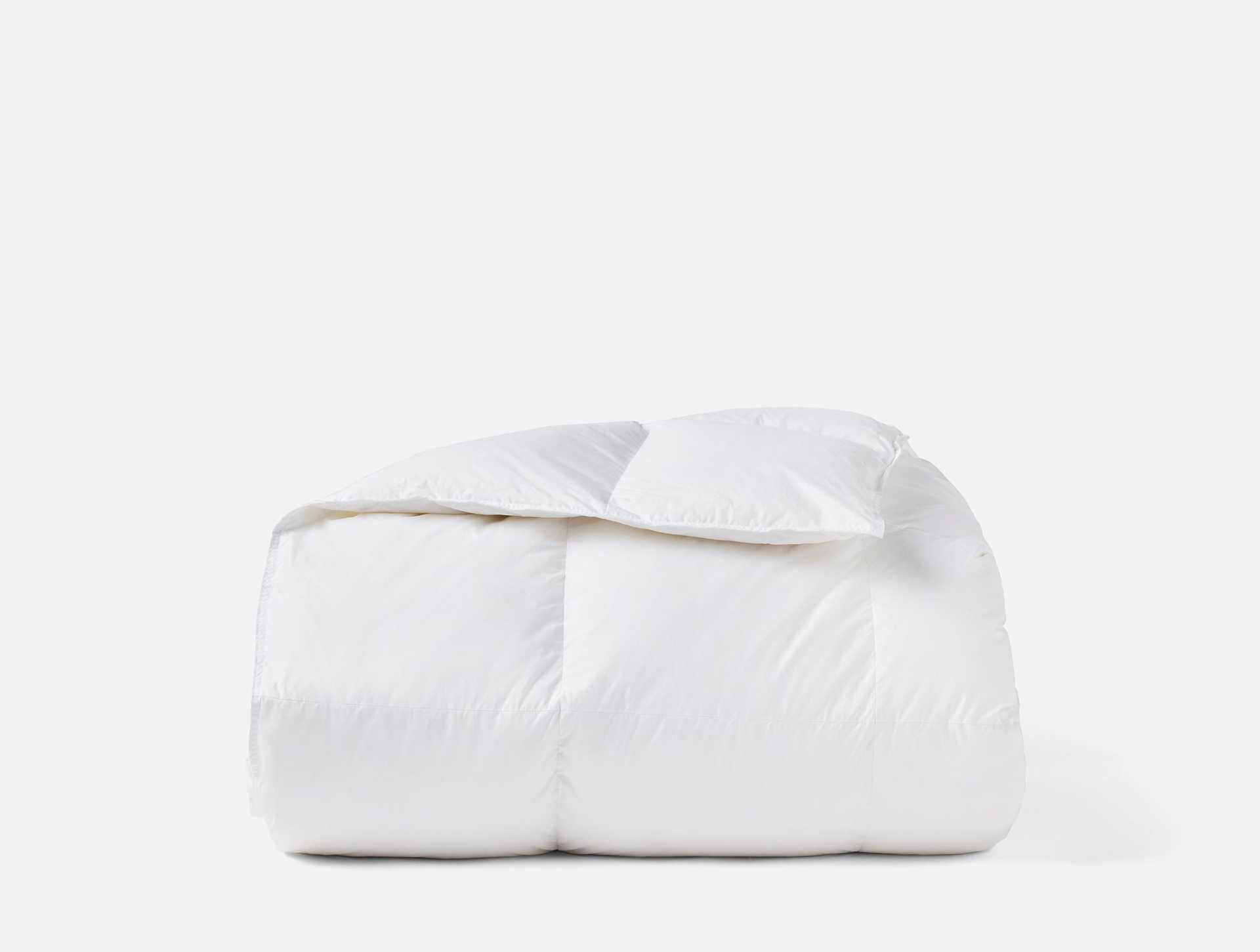 Bedding